
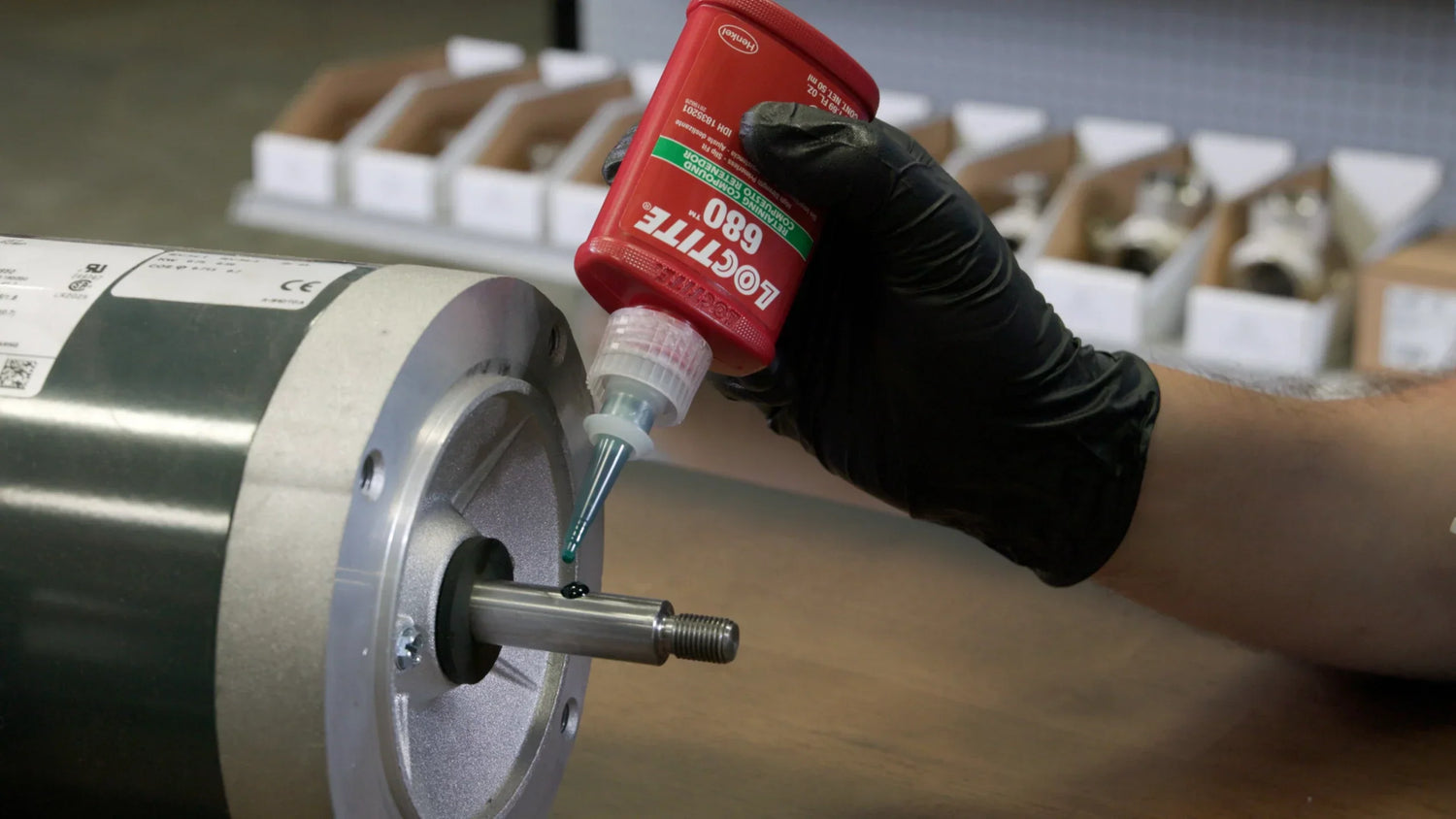
Bearings are critical components in motors, gearboxes, pumps, and industrial machinery. When a bearing slips or spins in its housing, it can cause vibration, noise, premature wear, and even catastrophic equipment failure. This is where Loctite for bearings, also known as retaining compounds, plays a vital role.
Unlike traditional threadlockers designed for bolts and screws, Loctite retaining compounds are engineered specifically to bond cylindrical parts such as bearings, shafts, and housings. They create a strong, reliable fit that restores performance and extends equipment life.
What Is Loctite for Bearings?
Loctite bearing adhesives are anaerobic retaining compounds that cure in the absence of air when confined between metal surfaces. Once cured, they form a solid thermoset plastic that fills gaps, distributes loads evenly, and prevents movement caused by vibration or thermal expansion.
These products are commonly used to:
- Secure bearings in housings
- Lock bearings onto shafts
- Repair worn or oversized bearing seats
- Prevent fretting corrosion and micro-movement
Why Use Loctite Instead of Mechanical Fixes?
Traditional mechanical methods like press fits, set screws, or snap rings can loosen over time, especially under vibration or heat cycling. Loctite retaining compounds offer several advantages:
- Uniform load distribution reduces stress points
- Vibration resistance prevents bearing spin
- Gap-filling capability repairs worn components
- Corrosion protection seals out moisture and contaminants
- Extended service life for both bearing and housing
Using Loctite for bearings often eliminates the need for costly machining or component replacement.
Choosing the Right Loctite for Bearings
Not all bearing applications are the same. Selecting the correct retaining compound depends on fit clearance, operating temperature, and whether future disassembly is required.
- Loctite 641 – Designed for removable bearings, ideal for applications requiring future maintenance
- Loctite 603 – Best for close-fitting parts, especially in oily environments
- Loctite 638 – High-strength solution for narrow bond gaps.
- Loctite 680 – Excellent for slightly oiled or contaminated surfaces
For high-temperature or heavy-duty industrial environments, higher-strength grades provide superior performance.
How to Apply Loctite to Bearings Correctly
Proper application is key to achieving optimal results:
- Clean the surfaces thoroughly to remove oil, dirt, and grease
- Apply Loctite evenly around the shaft or inside the housing
- Assemble the bearing promptly before curing begins
- Allow sufficient curing time before returning equipment to service
Anaerobic curing typically begins within minutes and reaches full strength after 24 hours, depending on the product and conditions.
Common Industries That Use Loctite for Bearings
Loctite retaining compounds are widely used across industries, including:
- Automotive and motorsports
- Manufacturing and automation
- Heavy equipment and construction
- Marine and aerospace
- Power generation and HVAC systems
In all these sectors, bearing reliability directly impacts safety, efficiency, and operational uptime.
Frequently Asked Questions (FAQ)
What is the best Loctite for securing bearings?
Loctite 638 and Loctite 680 are popular choices for permanent, high-strength bearing retention, while Loctite 641 is ideal for removable bearings.
Can Loctite fix a loose bearing?
Yes. Retaining compounds like Loctite 680 are specifically designed to repair worn or oversized bearing seats and restore proper fit.
Is Loctite bearing adhesive removable?
Some grades are removable. For example, Loctite 641 allows bearing removal using standard tools, while high-strength grades may require heat.
How long does Loctite take to cure on bearings?
Initial set occurs within minutes, but full curing typically takes up to 24 hours for maximum strength.
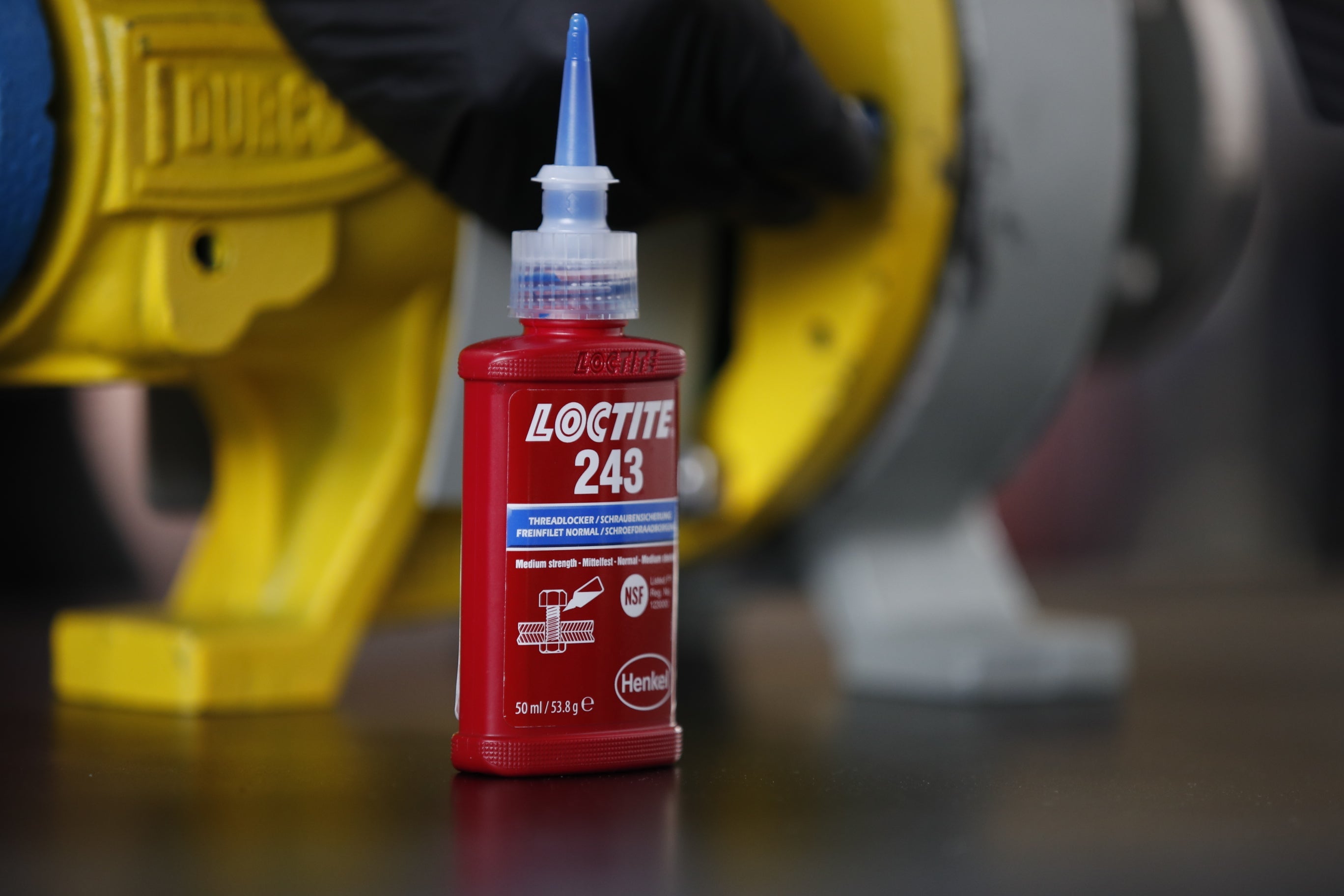
Can I use threadlocker instead of bearing Loctite?
No. Threadlockers are formulated for threaded fasteners, while bearing applications require retaining compounds designed for cylindrical assemblies.

Leave a comment
All comments are moderated before being published.
Situs ini dilindungi oleh reCAPTCHA dan berlaku Kebijakan Privasi dan Persyaratan Layanan Google.